Beyond the Shingles: Why Timely Fascia and Soffit Repair Prevents Costly Roof Damage
As a homeowner in Georgetown, you know how important a sturdy roof is, especially when hail season rolls around. You likely pay close attention to your shingles, looking for signs of wear and tear. But what about the edges of your roof? The fascia and soffit are the unsung heroes of your home's exterior, providing critical protection and a finished look. Too often, these components are overlooked until a small issue becomes a major, expensive problem.
Ignoring peeling paint or a small crack on your roof's trim might seem harmless, but it can be an open invitation for water damage, pest infestations, and even structural issues that compromise your entire roofing system. Understanding the role of your fascia and soffit and recognizing early warning signs is one of the smartest investments you can make in your property's long-term health and value.
What Are Fascia and Soffit, and What Do They Do?
Before we dive into the warning signs, let's clarify what these components are. Think of them as the essential framework that finishes and protects the edges of your roof.
-
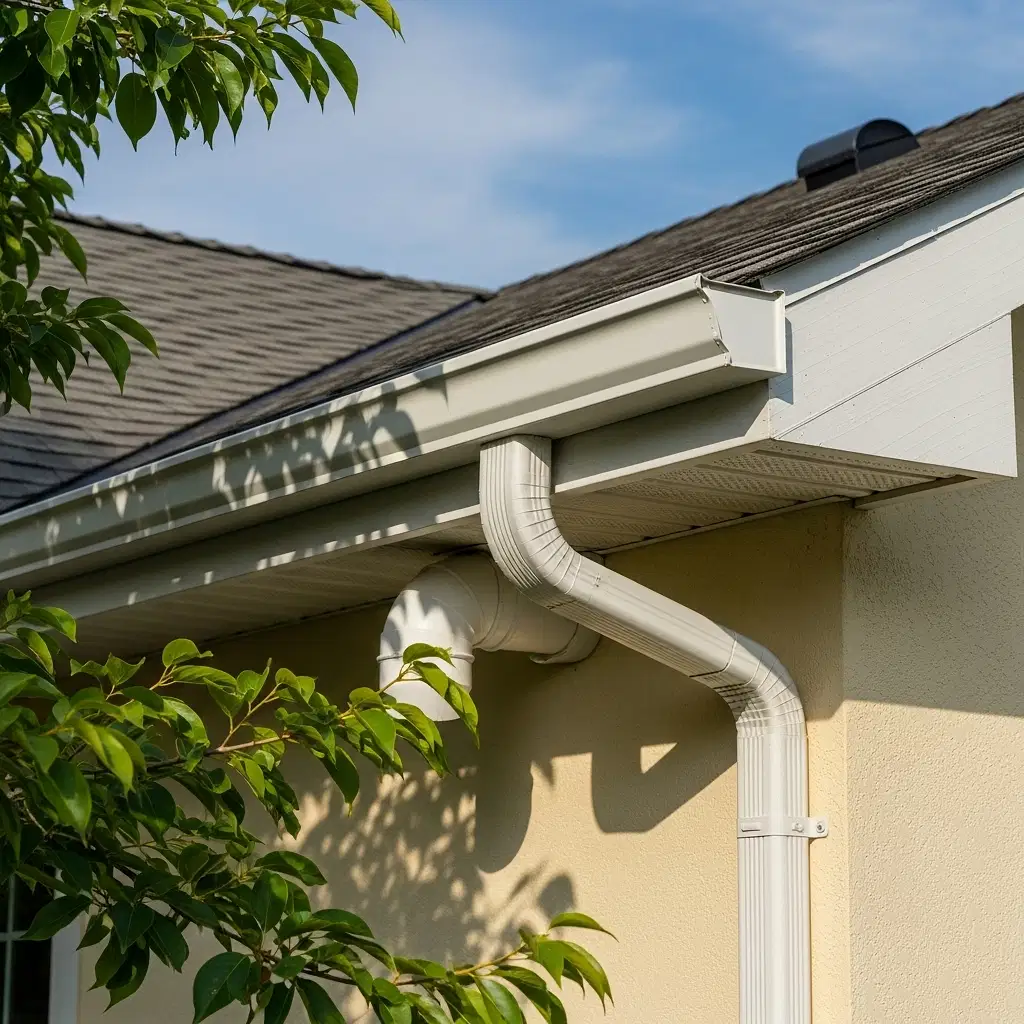
Fascia: This is the long, straight board that runs along the lower edge of your roof, right behind the gutters. It’s the component you see most directly from the front of your house. Its primary job is to support the bottom row of shingles and serve as the mounting point for your gutter system. It's your home's front line of defense against the elements, blocking water from getting behind the roofline.
-
Soffit: If you look up at your roof's overhang from below, the soffit is the material you see covering the underside. It bridges the gap between your home's siding and the roofline. The soffit's most crucial function is ventilation. Vented soffit panels allow air to flow into your attic, which helps regulate temperature and moisture levels year-round. This is vital for preventing heat buildup in the summer and moisture condensation in the winter.
Together, they protect the vulnerable wooden structures of your roof's overhang from weather and pests while providing essential airflow to keep your attic healthy.
5 Telltale Signs Your Fascia and Soffit Need Attention
Catching problems early is the key to avoiding extensive and costly repairs. Regularly walk around your property and look up at your roofline for these common indicators of trouble:
-
Peeling Paint and Discoloration: Paint is more than just cosmetic; it's a protective barrier. If you see it cracking, flaking, or peeling on the fascia boards, it’s a sign that moisture is getting in. Dark stains or streaks often point to a persistent water issue, possibly from overflowing gutters or a leak.
-
Soft Spots or Wood Rot: Water penetration will eventually lead to wood rot. If you can safely reach it, gently poke the wood with a screwdriver. If it feels soft, spongy, or crumbles, you have rot that needs to be addressed immediately. This is a serious sign that the structural integrity is compromised.
-
Evidence of Pests: Wasps, birds, squirrels, and insects love to make their homes in cozy, protected spaces. Cracks or holes in your soffit and fascia provide the perfect entry point into your attic. Look for nests, droppings, or chewed holes. Preventing pest infestations is far easier than dealing with an established one.
-
Leaking or Clogged Gutters: Since your gutters are attached directly to the fascia, their health is directly linked. If your gutters are clogged and overflowing, water will constantly run down and saturate the fascia board, accelerating rot and decay. Consistent maintenance of your gutters is a crucial part of protecting your fascia.
-
Increased Utility Bills or Attic Moisture: If your soffit vents are blocked by debris, insulation, or peeling paint, your attic can't breathe. This trapped hot, moist air can lead to higher cooling costs in the summer and potential mold growth. While you might not see the soffit issue directly, its effects can be felt elsewhere.
If you notice any of these signs, it's time to consider a professional roof repair inspection to assess the extent of the damage.
How Minor Issues Escalate into Major Headaches
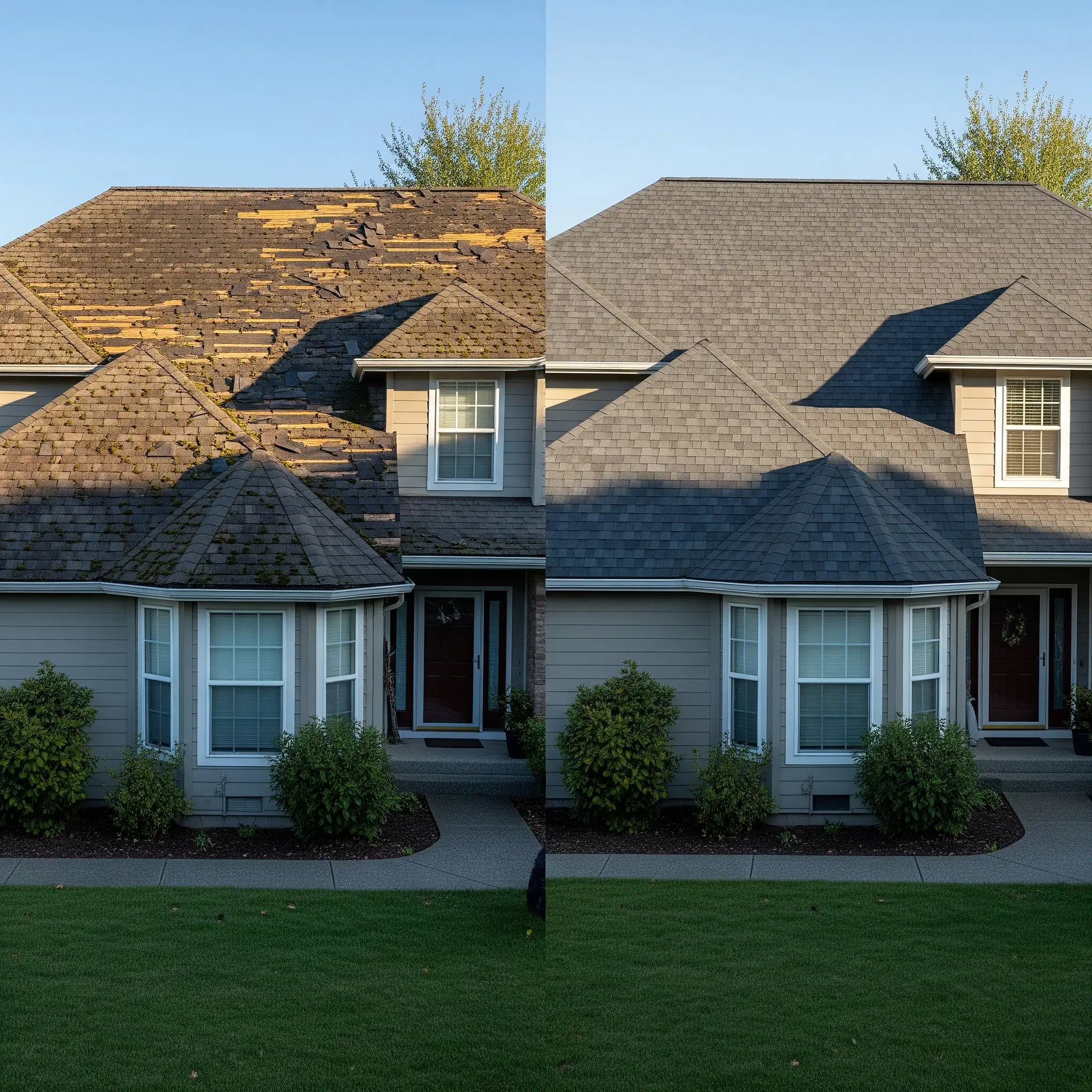
It’s easy to underestimate how a small problem with your fascia or soffit can spiral. A little bit of water exposure doesn't stay little for long. Once moisture bypasses a damaged fascia board, it can seep into the ends of your roof rafters and the roof decking itself. What starts as a simple board replacement can quickly turn into a significant structural repair or even a partial roof replacement.
Similarly, compromised soffits don't just affect ventilation. They can allow wind-driven rain to be pushed up into your attic, soaking insulation and leading to ceiling stains inside your home. The cost and disruption of fixing interior water damage, mold, and pest removal are exponentially higher than the cost of proactive soffit and fascia maintenance.
Protecting these components isn't just about maintenance; it's about safeguarding your entire home as a complete, interconnected system. A healthy roof edge ensures the longevity and performance of your shingles, decking, and attic.
Protect Your Investment with Professional Care
At RTS Roofing LLC, we understand that a strong roof is more than just the shingles on top. Our experienced, in-house trained crews look at the entire system to ensure every component works together to protect your home. When we inspect a roof, we pay close attention to the fascia and soffit, identifying potential vulnerabilities before they become severe.
We use high-quality, durable materials designed to withstand the Central Texas climate, ensuring your repairs and replacements provide lasting protection. Don't wait for a small crack to lead to a costly crisis. If you've noticed any signs of wear on your home's roofline in the Georgetown area, let our experts provide a thorough and honest assessment.
Ready to ensure your home is fully protected from the top down? Contact us today for a comprehensive inspection of your entire roofing system, from the shingles and flashing to the soffit, fascia, and gutters.