Beyond the Shingles: Why a Thorough Deck Inspection Prevents Hidden Roof Failures
A new roof is one of the most significant investments you'll make in your home. When you picture a roof replacement, you probably think about the color and style of the new shingles. But what lies beneath them is arguably even more important. The foundation of your entire roofing system is the deck—the layer of wood sheathing that covers your home's rafters. Installing beautiful, high-quality shingles on a weak or damaged deck is like building a house on a cracked foundation. It's a recipe for premature failure and costly future repairs.
At RTS Roofing LLC, we know that a quality roofing job for our neighbors in the Georgetown area goes deeper than what you can see from the curb. A critical, non-negotiable step in every one of our projects is a thorough roof deck inspection. This article will explain what your roof deck is, how it gets damaged, and why ensuring its integrity is the key to a long-lasting, durable roof that truly protects your home.
What is a Roof Deck and Why is it So Important?
Think of your roof deck (also called sheathing) as the structural backbone of your roofing system. It's typically made of plywood or Oriented Strand Board (OSB) and is fastened across the trusses or rafters of your home. This solid surface serves several vital functions:
- It provides a solid base: The deck is the surface to which all other roofing components—from the underlayment to the shingles—are attached. Without a solid deck, fasteners won't hold, leaving your roof vulnerable to wind uplift.
- It supports the weight: Your roofing system is heavy. The deck distributes the weight of the shingles and other materials evenly across the structure of your home.
- It adds structural integrity: The deck helps brace the roof structure, adding rigidity and strength to the entire frame.
Many homeowners are surprised to learn that the condition of their deck can't be fully assessed until the old shingles are removed. A contractor who gives you a quote without mentioning a post-tear-off deck inspection might be cutting corners. A solid deck is fundamental to the quality of workmanship and the long-term value of your investment—two things we know are top priorities for our customers.
Common Causes of Roof Deck Damage in Central Texas
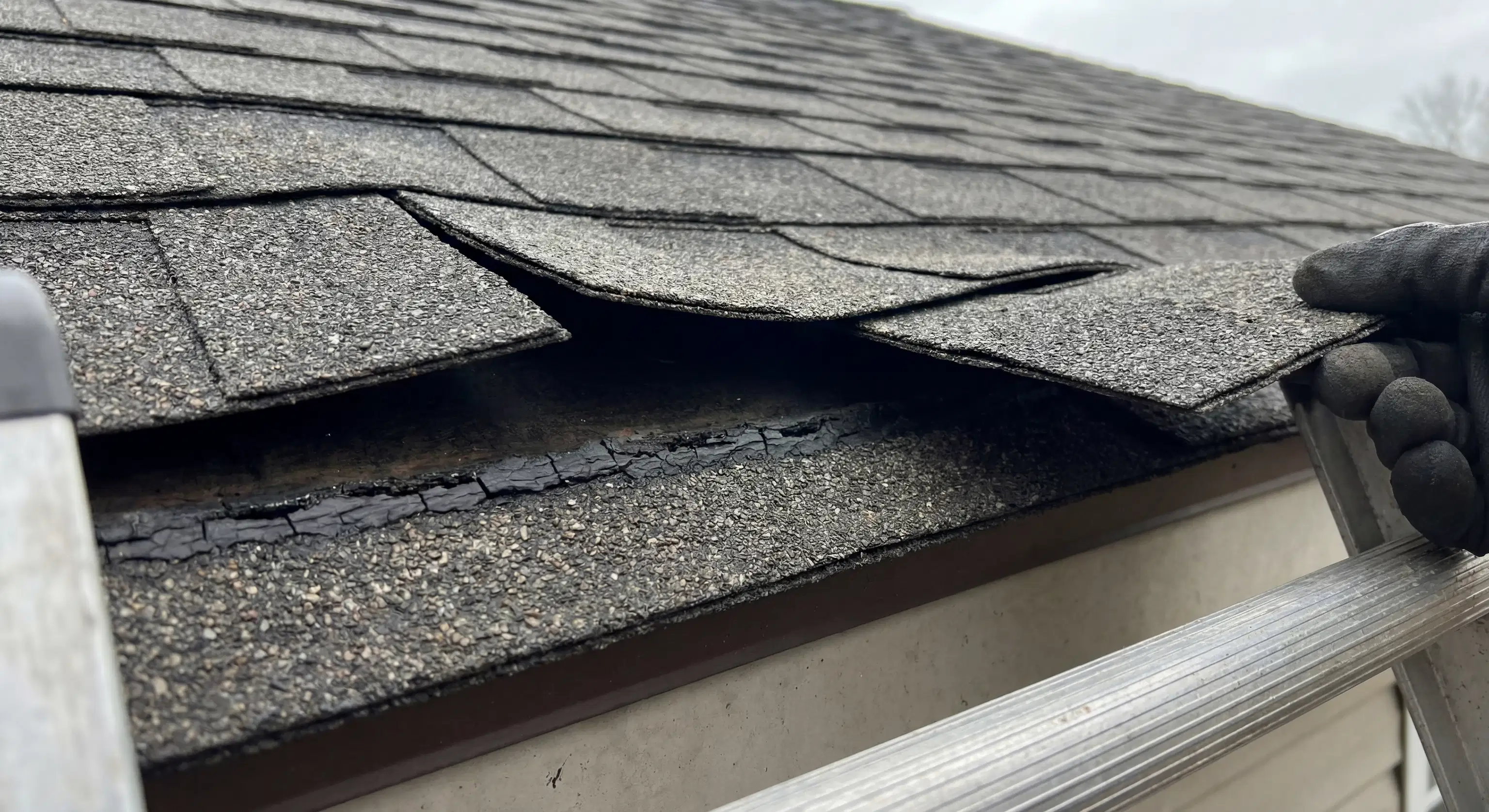
Your roof deck is protected from the elements, so how does it get damaged? The answer, almost always, is moisture. Here in Central Texas, our homes endure everything from intense sun to the notorious hail season. Over time, these conditions can create vulnerabilities that lead to water damaging the roof sheathing.
- Slow Leaks: The most common cause is small, undetected leaks from old, cracked, or missing shingles. Water seeps through, soaking into the wood deck and causing it to soften and rot over months or even years.
- Poor Attic Ventilation: The Texas heat can turn an attic into an oven. Without proper ventilation, hot, moist air gets trapped and can condense on the underside of the cool roof deck at night. This constant moisture can cause the wood to rot from the inside out.
- Ice Dams: While less common here than up north, improper insulation and ventilation can lead to ice dams during rare winter freezes, forcing water back up under the shingles.
- Faulty Prior Installation: Unfortunately, not all roofing jobs are created equal. Improperly installed flashing, incorrectly nailed shingles, or missing underlayment from a previous job can create pathways for water to penetrate and destroy the deck.
Identifying and addressing these issues is a core part of a professional residential roofing project. Simply covering up rotted plywood is a disservice that leads to bigger problems down the road.
The Risks of Installing a New Roof Over a Damaged Deck
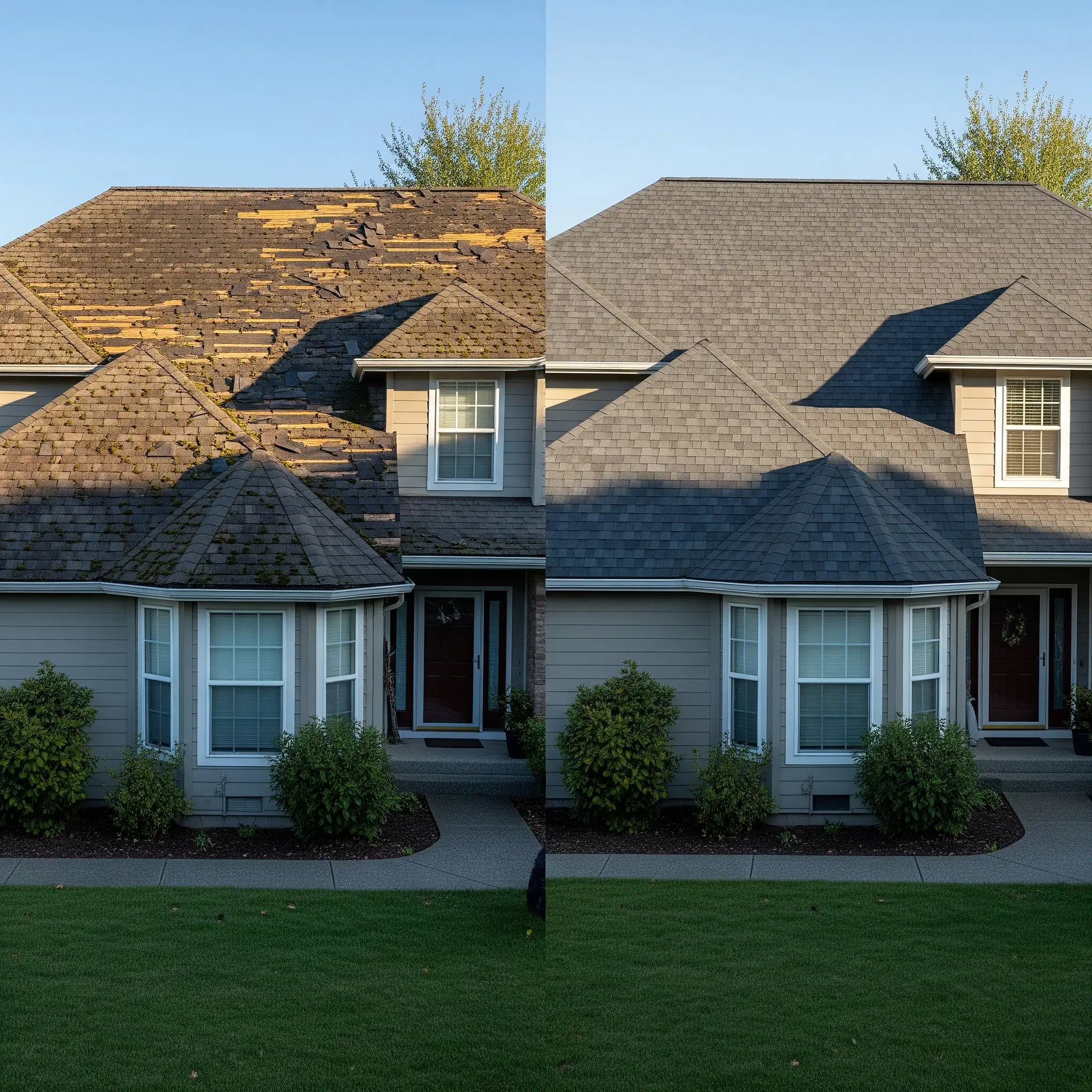
Some contractors might be tempted to ignore signs of a compromised deck to keep their initial quote low. This is a major red flag. Installing a new roof over damaged decking is not just poor practice; it's a guarantee of future problems and can have serious consequences for you as a homeowner.
-
Premature Roof Failure: Shingle nails need to bite into solid wood. When nailed into soft, rotted decking, they can easily pull out during a strong windstorm, leading to blow-offs and major leaks. The new roof you just paid for could fail in its first major storm.
-
Voided Manufacturer Warranties: Leading shingle manufacturers provide robust material warranties, but they all come with a critical condition: the shingles must be installed on a suitable, solid substrate. Installing new shingles over a compromised deck will almost certainly void that valuable warranty, leaving you with no recourse if the materials fail.
-
Wasted Investment: A new roof is meant to last for decades. When installed on a faulty foundation, its lifespan is drastically cut short. What seems like saving a few hundred dollars on deck repair can end up costing you an entire roof installation all over again in just a few years.
-
Hidden Structural Damage: Water that has rotted the deck may have also affected the underlying trusses and rafters. Covering it up allows the rot and potential mold to spread, leading to far more extensive and expensive structural repairs in the future.
Our Commitment: A Foundation You Can Trust
A beautiful new roof provides peace of mind, enhances curb appeal, and protects your family. But the integrity of that protection starts with a solid foundation. At RTS Roofing LLC, our process is built on transparency and a commitment to quality from the deck up. We meticulously inspect every square foot of your roof deck after tear-off and will clearly communicate and show you any areas that need attention. Replacing damaged sections isn't an upsell; it's a necessary step to ensure your new roof performs as it should for decades to come.
If you're planning a roof replacement for your home in Georgetown or the surrounding communities, don't settle for a surface-level job. Contact us today to schedule a free, comprehensive estimate and learn how our commitment to quality ensures your investment is protected from the foundation up.