
Protecting Your Exterior Walls From Roof Runoff Damage
When severe spring storms roll through Georgetown and the surrounding areas, most homeowners immediately worry about Texas Hail battering their shingles and compromising their roof deck. While the top of your roof certainly takes a beating during a heavy downpour, the secondary victim of a severe storm is often the exterior walls of your home. Roof runoff—the sheer volume of water cascading down your roof's slopes—can wreak havoc on your home's exterior if it is not properly managed and directed.
During a typical rainstorm, thousands of gallons of water can fall onto your roof. If your drainage system, gutters, or flashing are compromised, that water doesn't just disappear; it finds the path of least resistance. Often, that path leads directly behind your wall cladding, resulting in hidden rot, dangerous mold growth, and incredibly costly structural issues over time. Many homeowners don't realize that their damaged walls are actually a roofing problem in disguise. Whether you are currently dealing with mysterious moisture spots inside your home or you want to be proactive about scheduling a comprehensive roof repair, understanding how your roof and walls work together as a unified system is the very first step in protecting your greatest investment from the elements.
The Hidden Threat of Step Flashing Failure
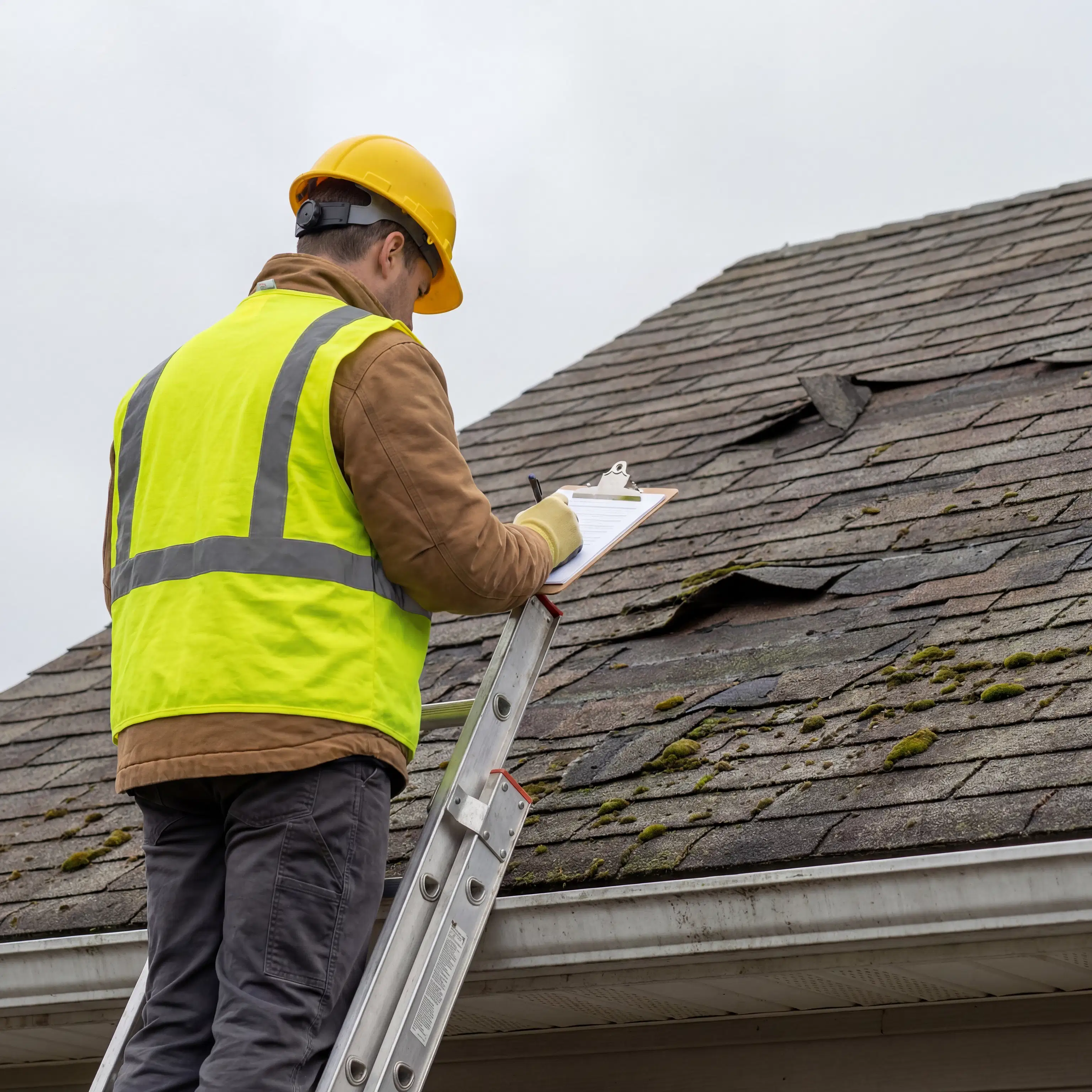
Your roof doesn't just sit on top of your house independently; it physically integrates with your exterior walls through a complex system of layered metal transitions known as flashing. One of the most common causes of significant water intrusion behind wall cladding is step flashing failure. When the step flashing—the pieces of metal woven into the shingles where the roof meets a vertical wall—is damaged, missing, or installed poorly by inexperienced contractors, water from heavy rain seeps directly under your exterior siding materials.
Homeowners often find themselves researching repairing roof runoff damage to exterior siding, completely unaware that the root of the problem actually started further up on the roof line. The signs of step flashing failure under siding can be subtle at first. You might notice peeling or bubbling paint near the roofline, persistent water stains on interior ceilings adjacent to exterior walls, or visible warping and buckling of the siding boards themselves.
Because these critical issues can be incredibly difficult to spot from the ground, we utilize modern drone and AI-powered inspection technology to safely, quickly, and accurately assess the damage without putting unnecessary foot traffic on your shingles. Fixing these complex drainage issues requires a contractor who understands the entire building envelope. This is exactly why our in-house trained crews meticulously inspect the roof deck and all flashing integrations before recommending any long-term solution for your siding.
Managing Water Damage Behind Stucco
Stucco is an incredibly popular, durable, and visually appealing choice for homes throughout the Hill Country, but it is highly susceptible to prolonged moisture exposure if a roof isn't draining correctly. If roof runoff is constantly splashing against the same lower section of a wall, or if gutters are overflowing due to improper pitch or clogs, the porous nature of the stucco can eventually fail.
Learning how to fix water damage behind stucco walls is a complex process that requires professional intervention. It isn't just a matter of patching the visible cracks with sealant; it requires stopping the water source at the roof level first. When water gets trapped behind the vapor barrier of a stucco wall, it can cause the underlying wood framing to rot, severely compromising your home's structural integrity and thermal efficiency—a major concern during our extreme summer heat.
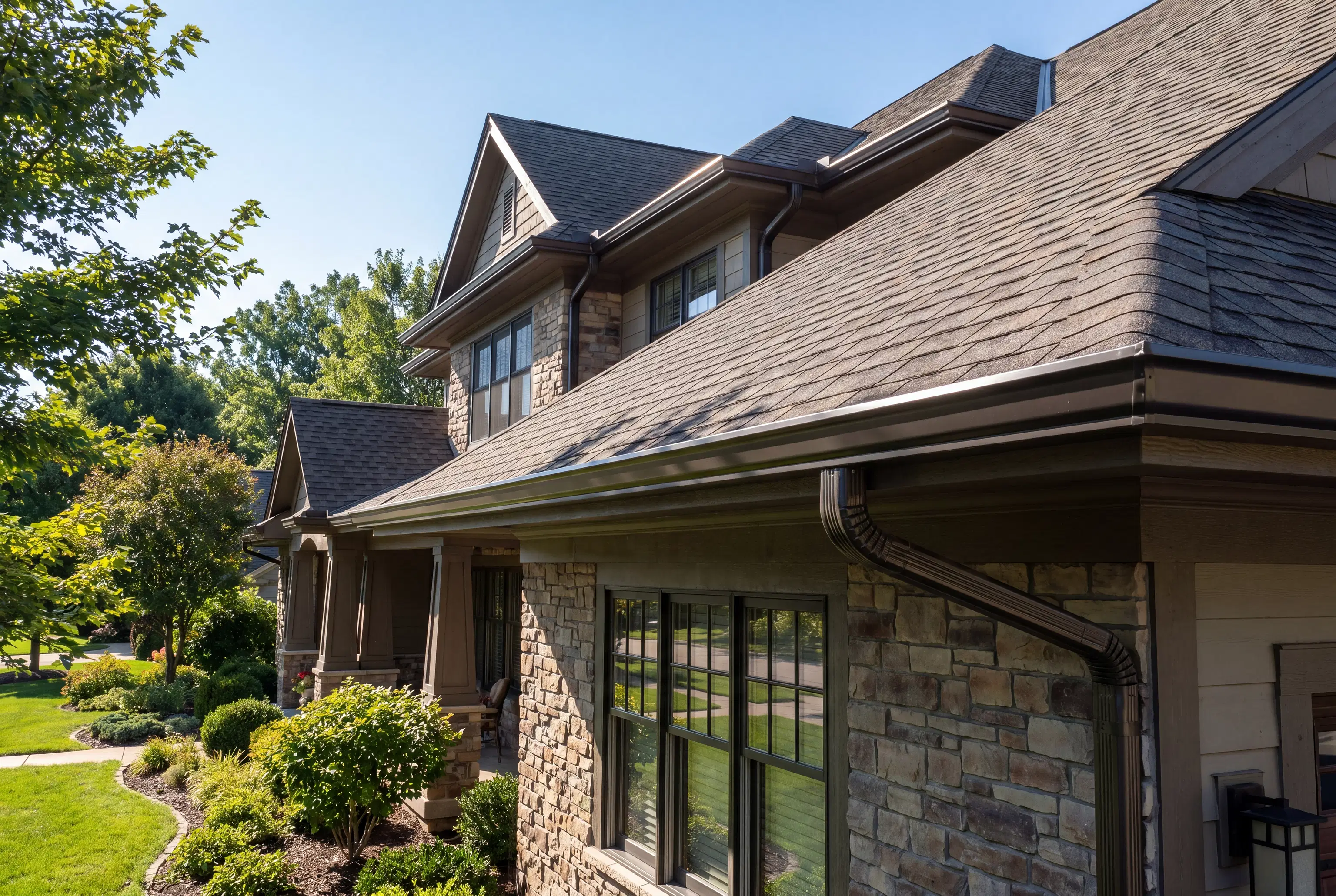
Preventing water intrusion behind wall cladding means ensuring your roof's drip edge, gutters, and downspouts are perfectly aligned to handle massive volumes of water efficiently. If moisture has already penetrated the barrier, the saturated materials behind the surface must be carefully removed, the structural integrity of the wood framing verified, and the exterior carefully rebuilt. By addressing the fundamental roof drainage flaws first, you ensure that your exterior stucco repairs will actually last. To give you complete peace of mind, our comprehensive approach is backed by strong, transparent warranties covering both our premium materials and our rigorous workmanship.
Comprehensive Protection for Your Home's Envelope
Your home is a complete, interconnected system, and a failure at the roof line will almost always eventually impact the walls below. Don't wait for a small, unnoticeable leak to turn into a major exterior renovation project.
Our dedicated team at RTS Roofing LLC is committed to providing a thorough, transparent process from the very first deck inspection all the way to the final site cleanup. We understand that your property is your sanctuary, which is why our post-job routine always includes a meticulous magnetic sweep for stray nails to protect your family, your pets, and your landscaping.
If you suspect your siding or stucco is suffering from poor roof drainage, or if you simply want a professional, honest assessment after a heavy Wilco storm, reach out to us today. As a trusted local contractor based in Round Rock, we pride ourselves on delivering the reliable advice, exceptional customer service, and high-quality craftsmanship your home deserves. Let us help you protect your exterior walls from the top down.