
A Homeowner's Guide to Navigating Hail Damage Insurance Claims
Living in Central Texas, we're all familiar with the sudden, intense storms that can roll through, especially during hail season. While the sound of hail can be alarming, the aftermath—dealing with potential roof damage and insurance claims—can feel even more overwhelming. Many Georgetown homeowners find the process confusing and stressful, unsure of where to begin. The good news is you don't have to go through it alone. This guide will walk you through the essential steps to successfully navigate your hail damage claim, ensuring your home gets the protection it needs without the headache.
Step 1: Assess and Document Damage Safely
The very first thing to do after a hailstorm is to assess the situation safely. Your priority should always be your family's well-being. Never climb onto a potentially slippery or unstable roof yourself. Instead, you can begin documenting from the ground.
Here’s what you can do immediately and safely:
- Take Photos and Videos: If it's safe to do so, capture images of the hail itself to document its size. Walk around your property and photograph any visible damage to gutters, window screens, siding, and air conditioning units. These are all indicators of the storm's severity.
- Look for Obvious Signs: From the ground, you might see dented gutters or vents, but hail damage on composition shingles is often subtle and difficult for an untrained eye to spot.
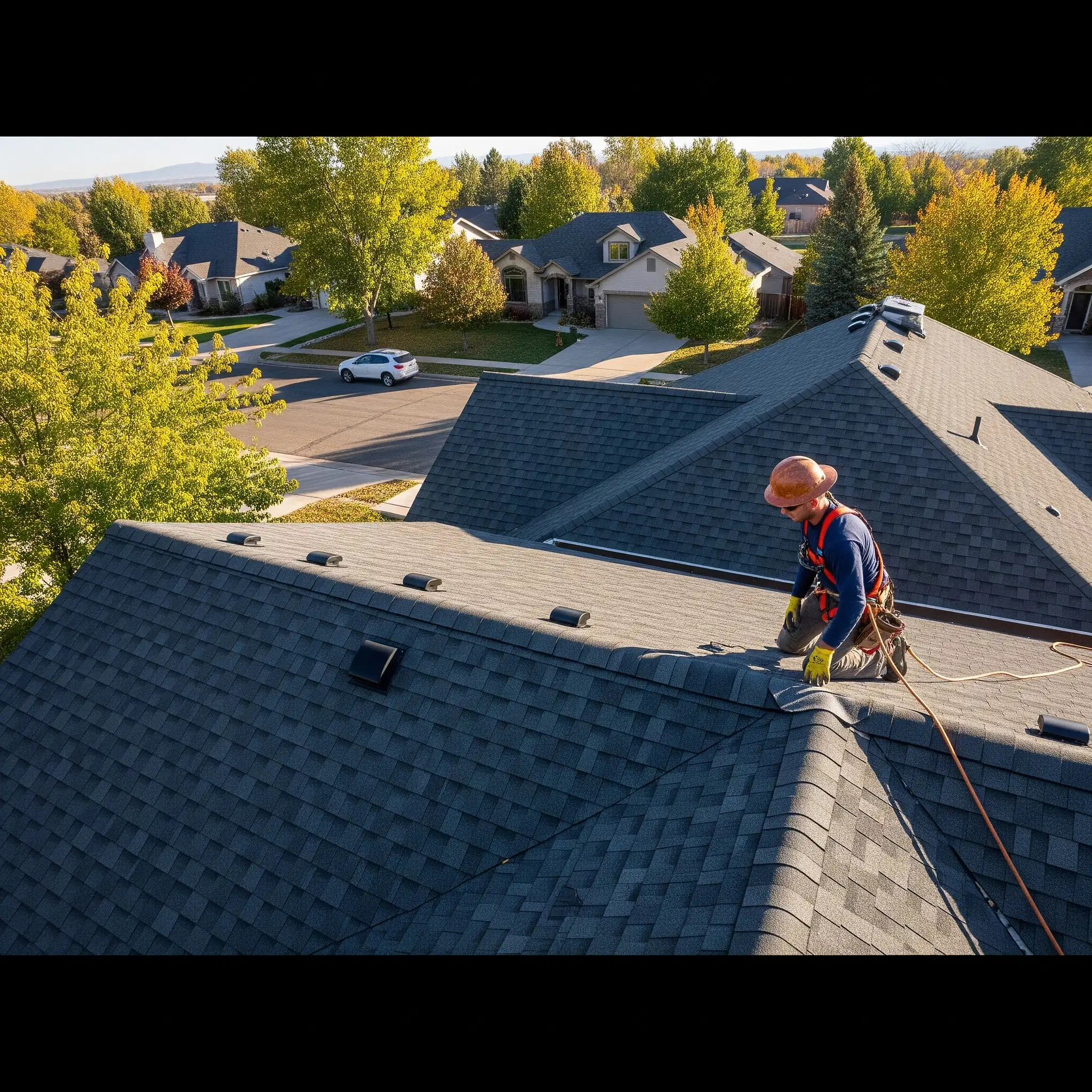
- Schedule a Professional Inspection: Before you even call your insurance company, contact a trusted, local roofing contractor for a thorough roof inspection. An experienced roofer knows exactly what to look for and can create a detailed report of all findings. This professional assessment is invaluable, as it provides a comprehensive overview of the damage that you can submit with your claim, ensuring nothing is overlooked.
Step 2: Filing Your Claim and Meeting the Adjuster
Once you have a professional damage assessment in hand, it's time to contact your insurance provider. When it comes to storm damage, timing is critical. We always advise homeowners to file their claims as quickly as possible after a storm. Waiting can sometimes lead to complications or even reduced payouts, as insurance companies may become inundated with claims and face significant losses.
When you file, you'll need your policy number and the date the storm occurred. After you've initiated the claim, your insurer will assign an adjuster to inspect your property.
This is a crucial point in the process, and we highly recommend having your chosen roofing contractor present during the adjuster's visit. Why? Your roofer acts as your advocate. They can point out specific damage the adjuster might miss, discuss the proper materials and methods required for a quality roof repair (like correct underlayment and flashing), and ensure the scope of work accurately reflects what’s needed to bring your roof back to pre-storm condition.
Step 3: Understanding Your Insurance Estimate
After the adjuster's inspection, you'll receive a summary of their findings, often called a scope of loss. This document can be filled with confusing acronyms and line items. Let's break down the key terms:
- RCV (Replacement Cost Value): This is the total cost to repair or replace your roof with materials of similar kind and quality, without deducting for depreciation.
- Depreciation: This is the amount subtracted from the RCV to account for the age and wear of your old roof.
- ACV (Actual Cash Value): This is the RCV minus depreciation. It's typically the amount of the first check you'll receive from your insurance company.
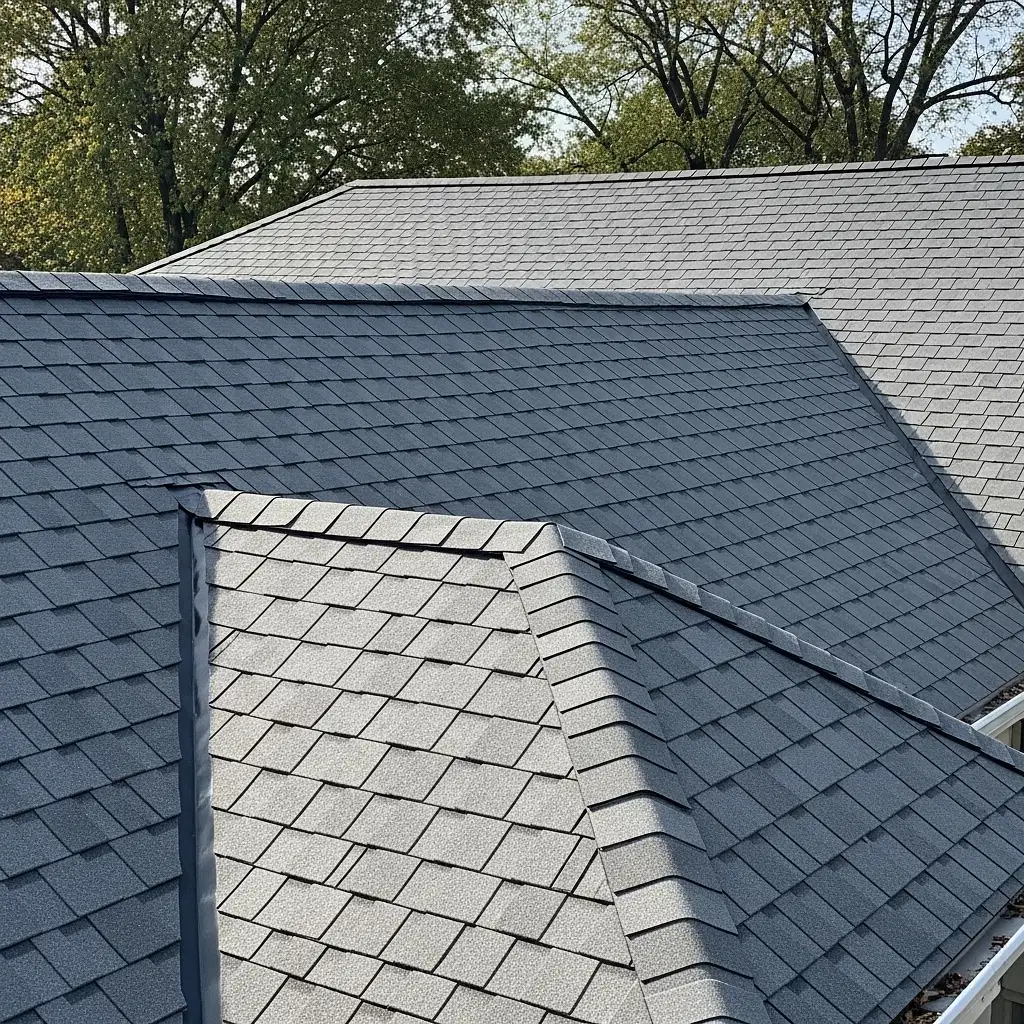
Don't be alarmed if the initial insurance estimate is lower than the quote from your roofing contractor. Adjusters may sometimes overlook items required by local building codes or necessary components for a durable, long-lasting roof replacement. A reputable roofer will review the adjuster's report and, if necessary, file a supplement with the insurance company to cover the full cost of the required work. Once the work is complete, you'll submit a final invoice to your insurer to claim the recoverable depreciation.
Your Partner in Storm Recovery
Hailstorms are an unavoidable part of life here in what many call 'Hail Alley,' but dealing with the aftermath doesn't have to be a source of anxiety. The key is to act promptly, get a professional on your side early, and work with a contractor who understands the insurance process inside and out.
At RTS Roofing LLC, we have years of experience helping homeowners in the Georgetown community restore their homes after storm damage. From the initial inspection to navigating the complexities of your insurance claim and completing a high-quality residential roofing project, we're here to guide you every step of the way.
If your home has been impacted by a recent storm, contact us today for a comprehensive, no-obligation inspection. Let our team help you restore your peace of mind and the integrity of your roof.