The Hidden Danger Above: Preventing Standing Water on Commercial Roofs
If you own or manage a business in Central Texas, you know that our weather is anything but predictable. One afternoon, your building is baking in the intense sun, and the next, you are bracing for a torrential downpour and the dreaded Texas Hail. While most property owners understand the immediate threat of a severe storm, there is a quieter, slower threat that often goes unnoticed on flat or low-slope buildings: standing water.
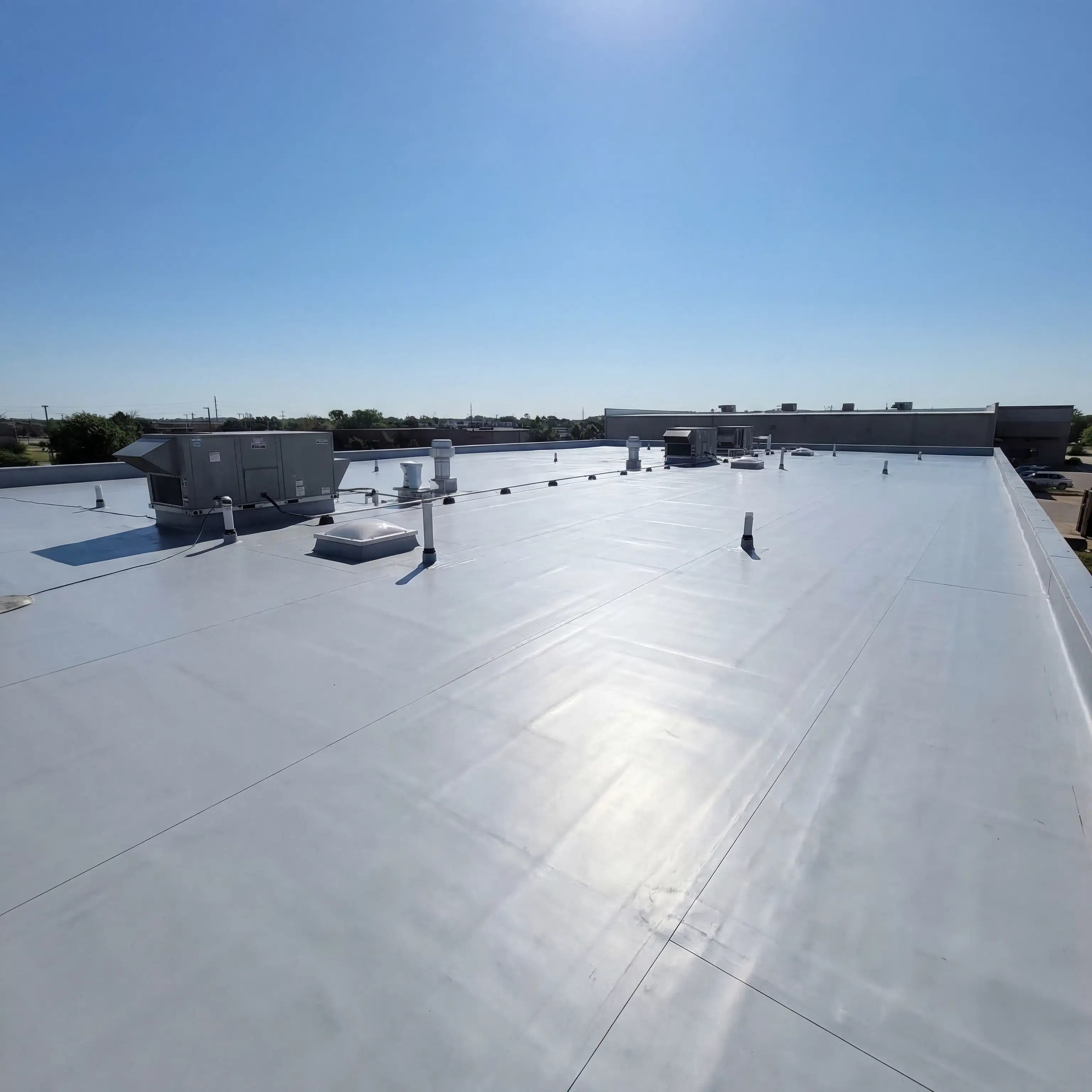
Also known in the industry as "ponding water," this occurs when rain accumulates on a flat roof and fails to drain or evaporate within 48 hours. For commercial properties across Wilco, this seemingly minor issue can quickly escalate into a catastrophic structural and financial problem if left unaddressed.
At RTS Roofing LLC, we frequently inspect buildings where poor drainage has compromised the integrity of the roofing system. Whether you operate a modern retail space or a historic storefront near The Square, understanding how to identify, prevent, and resolve ponding water is essential for protecting your property investment and avoiding disruptive, costly downtime. In this guide, we will explore why water pools on commercial roofs, the serious risks it poses, and the professional commercial roofing solutions available to keep your building dry and secure.
The Hidden Costs and Dangers of Ponding Water
It is easy to underestimate a puddle on a flat roof, but water is incredibly heavy. Just one inch of standing water weighs approximately 5.2 pounds per square foot. If a 20-foot by 20-foot section of your roof is holding merely an inch of water, that adds over 2,000 pounds of dead weight to your building's structural supports. Over time, this constant pressure causes the roof deck to sag, which only creates a deeper depression for more water to collect during the next storm.
Beyond structural stress, ponding water wreaks havoc on your roofing materials. The water acts as a magnifying glass for the intense Texas sun, accelerating the breakdown of roofing membranes and adhesives through concentrated UV exposure. This degrades the protective layer, making the material brittle and highly susceptible to cracking.
Furthermore, standing water creates a breeding ground for algae, mold, and vegetation. As dirt and debris blow across the roof, they settle in the stagnant water, creating a sludge that can easily clog surrounding drains and scuppers. Once the membrane is compromised, moisture seeps into the insulation and the interior of your building. By the time you notice water spots on your ceiling tiles, the damage is often extensive. Catching these issues early is vital, and addressing them promptly with professional roof repair can save thousands of dollars compared to a total system failure.
Effective Solutions to Eliminate Standing Water
The good news is that ponding water is entirely preventable with the right design and maintenance strategy. Flat roofs are never actually perfectly flat; they must be designed with a slight slope to direct water toward a designated drainage system. If your building is experiencing ponding, there are several corrective measures we can take.
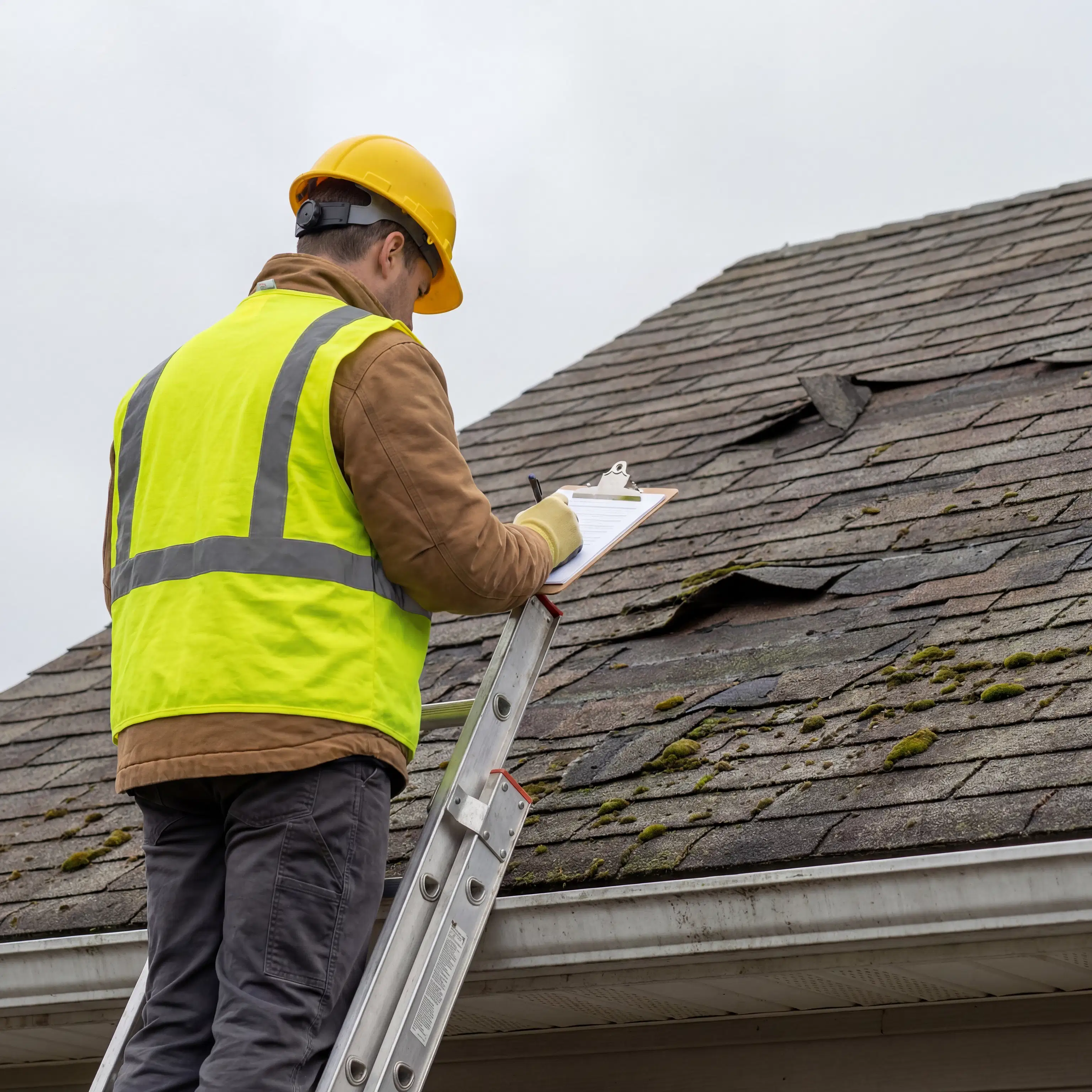
First, routine inspection and maintenance of your existing drainage systems are critical. Many instances of standing water are simply the result of neglected maintenance. Leaves, twigs, plastic bags, and other debris frequently blow onto roofs and block scuppers, internal drains, and downspouts. Implementing a regular maintenance schedule ensures these pathways remain clear so water can escape as intended.
When structural sagging or improper original design is the culprit, installing tapered insulation is often the most effective solution. Tapered insulation systems are custom-designed to create a subtle, positive slope on an otherwise flat roof deck. This highly engineered approach not only resolves drainage issues by directing water exactly where it needs to go, but it also increases the overall thermal resistance (R-value) of your roof, which can significantly lower your cooling costs during our sweltering summers.
Additionally, evaluating how water transitions off the roof and away from your foundation is just as important as getting it off the membrane. Upgrading or repairing the perimeter drainage, including high-capacity seamless gutters, ensures that once the water leaves the roof surface, it doesn't cause secondary issues like foundation erosion or siding damage.
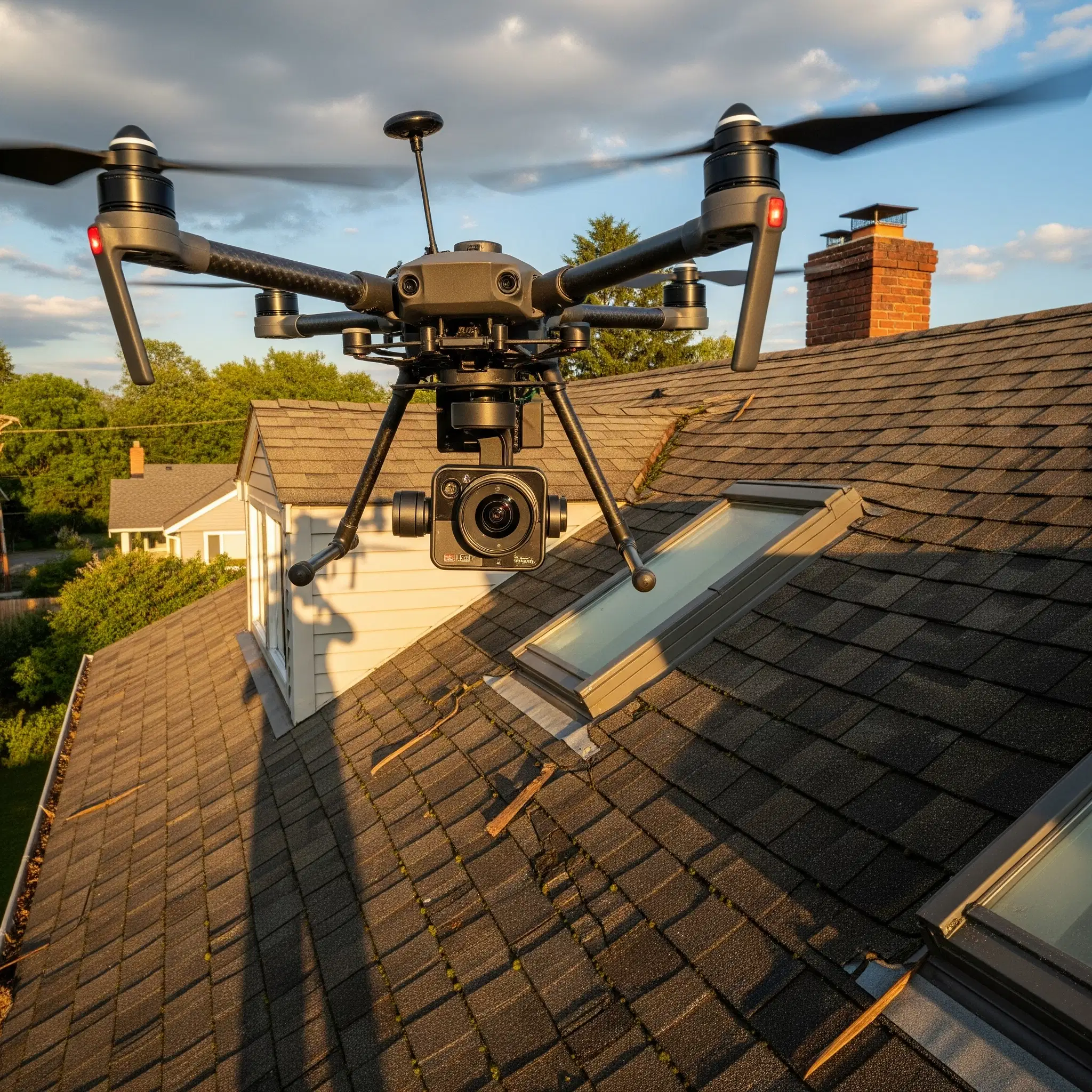
Today, we use advanced technology like drone-based inspections to precisely map out low spots and drainage inefficiencies on commercial properties. This allows us to provide highly accurate, transparent assessments without disrupting your daily business operations.
Protect Your Commercial Property with Proactive Care
Managing a commercial property comes with endless responsibilities, but worrying about the integrity of your roof shouldn't be one of them. Ignoring ponding water is a gamble that almost always ends in premature roof failure, denied insurance claims, and expensive interior damage. By taking a proactive approach to roof maintenance and partnering with a trusted local contractor, you can extend the lifespan of your roofing system and maintain a safe, dry environment for your employees and tenants.
At RTS Roofing LLC, we understand the specific challenges that the Hill Country climate presents to commercial buildings. We don't just patch leaks; we provide comprehensive solutions backed by extensive in-house training, elite manufacturer certifications, and steadfast workmanship warranties. Our team is dedicated to helping local businesses thrive by keeping their properties secure from the top down.
If you have noticed standing water on your building after a recent rain, or if it has been more than a year since your last professional inspection, don't wait for a leak to force your hand. Reach out to us today via our contact us page to schedule a thorough roof evaluation. Let us help you protect your Georgetown business with durable, reliable roofing solutions designed for Texas weather.