
How to Tell When Roof Damage Is Beyond a Simple Repair
Living in Central Texas means enjoying beautiful wide-open skies, warm southern weather, and stunning local landscapes. But as any local homeowner knows, it also means dealing with unpredictable weather patterns, from scorching summer heat to sudden, intense hail storms. After a severe weather event rolls through the Round Rock area, you might look up at your home and wonder if those missing shingles are a quick fix or a sign of a much larger problem.
Deciding between a basic roof repair and a full roof replacement is one of the most common dilemmas homeowners face. No one wants to spend more than they have to, but putting a bandage on a failing structural system can lead to devastating water damage, compromised energy efficiency, and much higher costs down the line. It is perfectly normal to feel overwhelmed, especially with out-of-state storm chasers flooding the neighborhood after a storm. You need honest, clear guidance to protect your largest investment.
At RTS Roofing LLC, our goal is to give y'all the information you need to make confident decisions about your home. Let's walk through the critical signs that indicate your roof damage has crossed the line from a simple patch job to requiring a complete replacement.
Recognizing the Red Flags of Severe Roof Damage
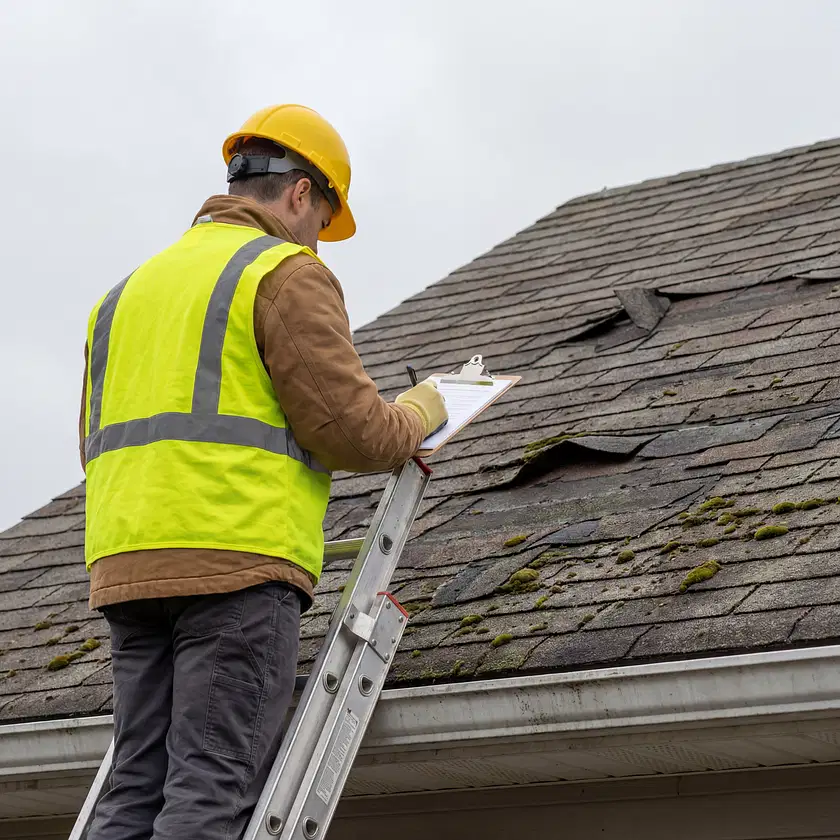
When evaluating the condition of your home's exterior, some signs of aging and weather damage are obvious, while others require a trained eye. A few blown-off shingles after a windy afternoon might just require a straightforward roof repair. However, if you are noticing widespread issues, it is often a sign that the underlying materials are failing.
One of the most telling indicators is widespread granule loss. The granules on your asphalt shingles are there to protect the asphalt coating from the harsh Texas sun and provide fire resistance. If you clean out your gutters and find them overflowing with a heavy, sand-like material, your shingles are losing their primary defense. Once shingles go bald, they become brittle, crack easily, and are no longer effective at shedding water.
Another major red flag is curling, buckling, or clawing shingles across multiple slopes of your house. This often points to poor attic ventilation, which literally bakes your shingles from the inside out. Upgrading your ventilation system alongside a new roof can drastically lower your cooling costs.
Finally, if you notice your roof line sagging or dipping, this is an emergency. A sagging roof deck means moisture has bypassed the outer barrier and is rotting the wooden decking underneath. We take this very seriously during our thorough deck inspections to prevent hidden failures. If the structural integrity of the wood is compromised, no amount of surface patching will keep your home safe, and a full roof replacement is absolutely necessary.
The Hidden Dangers: Soffit, Fascia, and Water Intrusion
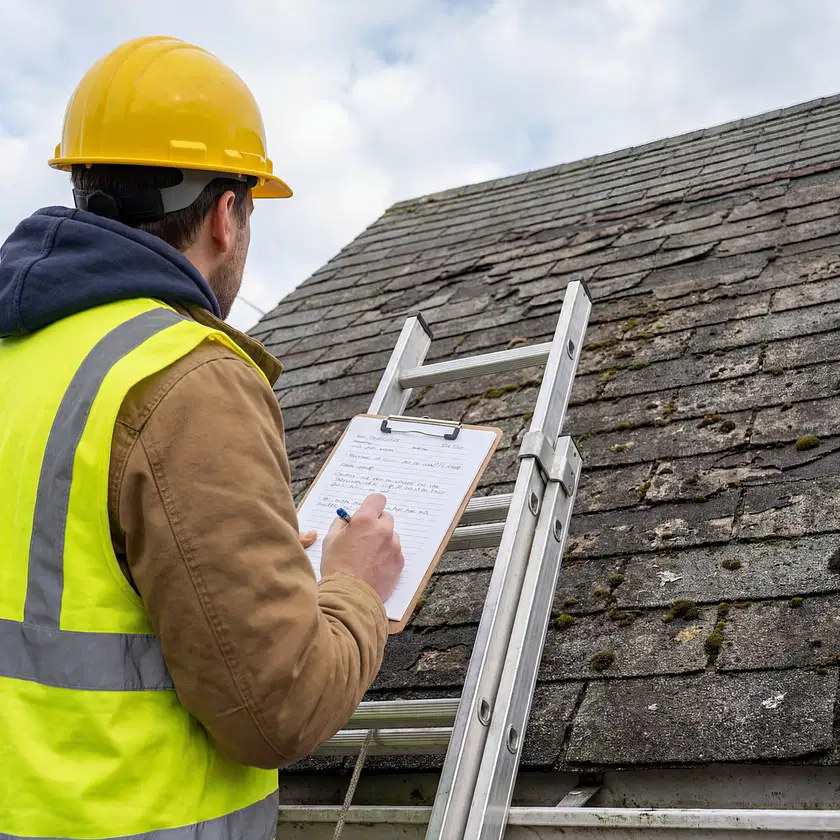
Many homeowners focus entirely on the shingles when looking for storm damage, completely overlooking the unsung heroes of their roofing system: the soffit and fascia. The fascia is the long, straight board that runs along the lower edge of the roof, holding your gutters in place. The soffit is the exposed surface beneath the overhang of the eave.
When a roof begins to fail, water often travels down the underlayment and pools around these critical areas. If you notice peeling paint, soft spots, or visible rot on these boards, it is a strong indicator that water has been bypassing your shingles for quite some time. Timely soffit & fascia attention is crucial, but if the rot is extensive, it usually means the eaves and decking above it are also compromised.
Furthermore, unresolved water intrusion doesn't just damage the exterior. If you have active leaks inside your home, showing up as brown water stains on your ceiling or peeling paint on your interior walls, the structural damage is likely extensive. By the time water travels all the way through the layers of decking, underlayment, insulation, and drywall, the entry point on the roof has likely been compromised for months. A complete tear-off is usually the only way to accurately assess the damage, replace the rotted wood, and install a secure, waterproof barrier.
Navigating Insurance and Maximizing Your Investment
If your home recently suffered through hail season, you might be dealing with insurance claims. We know how frustrating this can be, especially with delayed payouts from insurance companies. Our approach is to help you navigate this process smoothly. We conduct a detailed inspection to assess the damage and highly recommend filing claims quickly to maximize your payouts and get processed sooner. Waiting too long can unfortunately lead to reduced funds or even claim denial.
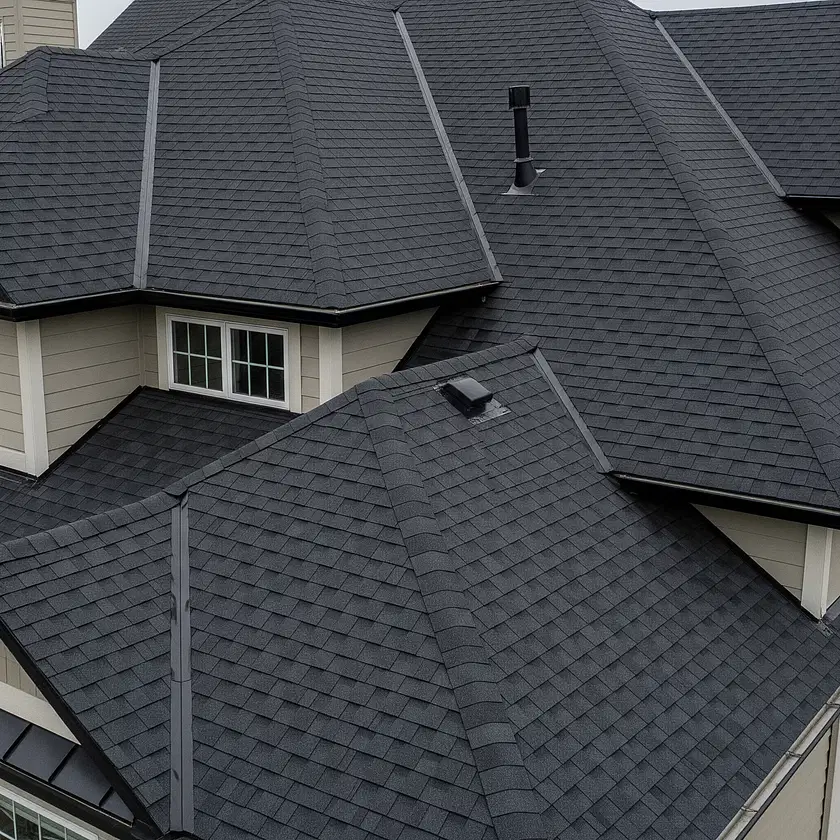
When it does come time to replace your system, it is an opportunity to make a smart, energy-efficient upgrade. At RTS Roofing LLC, our installation process is designed to protect your home from start to finish. We consider the unpredictable weather for scheduling, carefully protect your landscaping during the tear-off, and finish every single job with a meticulous magnetic sweep for stray nails so your driveway and yard are completely safe.
To help you beat the heat, we often suggest incorporating radiant barriers as underlayment or upgrading to solar reflective shingles. These modern materials stand up better to our climate and keep your attic significantly cooler. Plus, because we have a long-standing, in-house training program for our crews, you get a consistent, high-quality installation every time. We back this up with robust warranties, offering both lifetime limited material warranties and comprehensive workmanship protection.
If you are unsure whether your home needs a few minor fixes or a complete overhaul, you don't have to guess. Getting a professional set of eyes on the problem early can save you thousands in avoided structural repairs. Reach out to our experienced team today through our contact us page to schedule a comprehensive inspection, and let us help you protect your Hill Country home for decades to come.